

Caring for an aging parent or relative can be both rewarding and challenging. At Primary health care, we offer comprehensive support to families by providing professional nursing services and guidance on effective caregiving practices to promote well-being, comfort, and safety for elderly loved ones. Here are some practical tips to help you navigate this journey.
Key Strategies for Supporting Aging Relatives
- Ensure a Safe Living Environment
Create a safe home by removing hazards like loose rugs and ensuring proper lighting. Install grab bars in bathrooms and consider using non-slip mats to prevent falls. - Manage Health Care
Stay informed about your loved one’s health conditions. Schedule regular check-ups and keep track of medications. Use pill organizers to simplify medication management. - Foster Social Connections
Encourage social interaction by arranging visits with family and friends. Engage them in community activities or consider using technology to help them connect with others. - Encourage Independence
Allow your aging relative to maintain their independence by involving them in daily decisions. Encourage them to engage in activities they enjoy, whether it’s gardening, painting, or reading. - Take Care of Yourself
As a caregiver, prioritize your own well-being. Seek support from friends, family, or support groups. Remember that taking care of yourself enables you to provide better care for your loved one.
- Provide Emotional Support
Listen actively and encourage your loved one to express their feelings. Keep communication open and involve them in decisions about their care.



Understanding the Stages of Family Caregiving:
A Journey with Emotional and Practical Challenges
Family caregiving is not just a role—it’s a journey that unfolds in stages:
- Early Stage: Increased Assistance
- In the beginning, caregiving may involve helping with errands, appointments, or meals. This stage is often manageable for families without external help.
- Middle Stage: Medical and Personal Care Needs
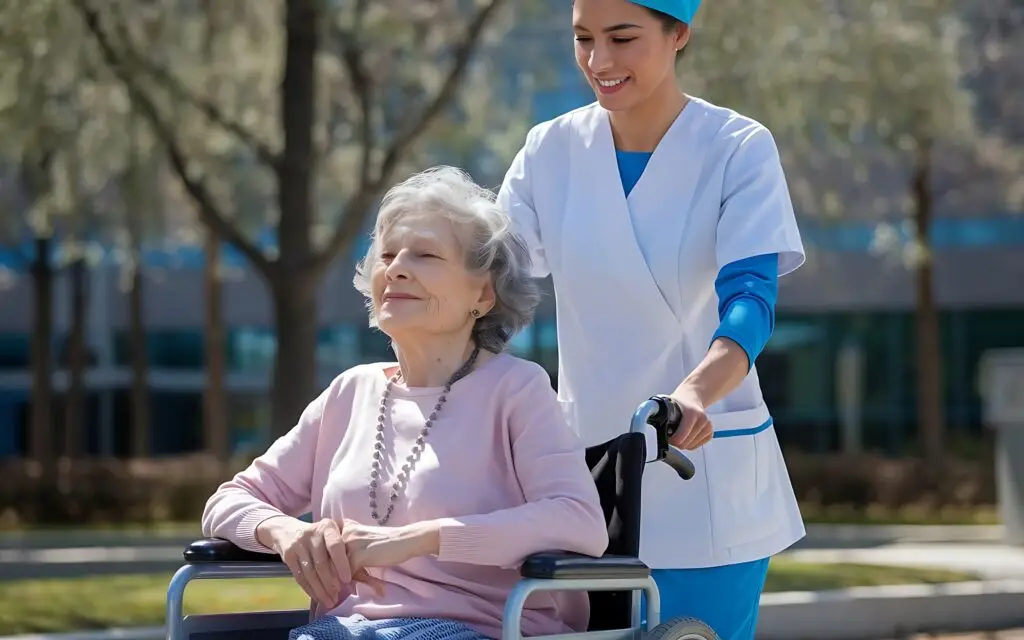
- As loved ones age or conditions progress, they may require help with medications, mobility, or daily activities. Primary Health Care can support families at this stage, providing professional nursing care that eases the pressure on family members.
- Advanced Stage: Specialized Care and Additional Support
- In advanced stages, care needs may increase significantly, especially with complex health conditions. Primary Health Care Nursing Services offers specialized care options tailored to these evolving needs, addressing both physical and emotional aspects to ease the caregiving process. This support allows family members to focus on quality time and emotional connection rather than constant caregiving tasks.


Conclusion
Family caregiving is a journey filled with dedication and care. At Primary Health Care, we believe that combining family support with our professional home care services can greatly enhance your loved one’s comfort and quality of life. Our commitment to exceptional care underscores the importance of quality at every stage of life, helping you find fulfillment in your caregiving journey.
